
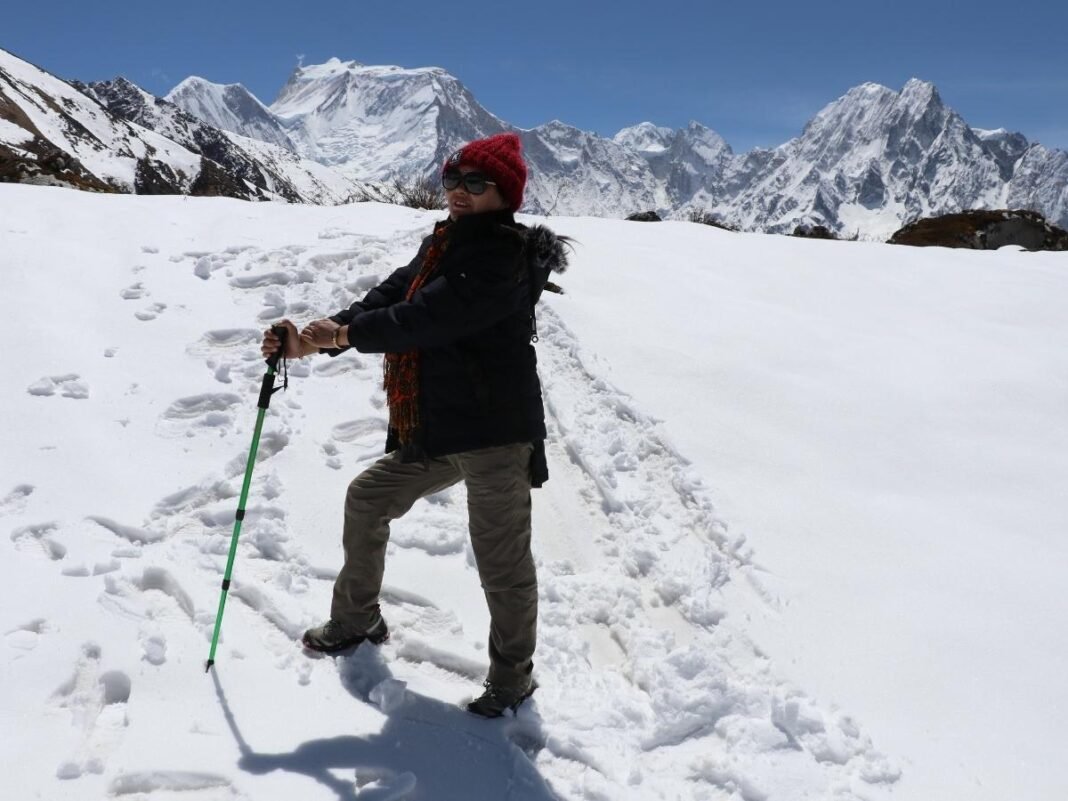

Nepal is a dream destination for trekking enthusiasts and is home to the Himalayas and 14 of the highest peaks in the world. There is a trekking trail for every level of adventurers who want to admire the surreal beauty of the snow-clad sentinels on the planet from up close.
However, despite the otherworldly experience that these magnificent trails offer, they also come with a fair share of challenges. Acute Mountain Sickness (AMS) is one of the challenges that trekkers need to be careful about. Once you cross the 2,500-meter threshold, your body enters a different game.
As the altitude where oxygen level drops significantly, your recovery slows down, and even simple things like uphill walking or sleeping can feel more difficult. The interesting part is, it’s not just the beginner or the trekkers who are not in top shape who are affected by altitude sickness. Even fit hikers, athletes, and marathon runners can succumb to this high-altitude phenomenon if they are not careful with the safety measures.
Well, dealing with altitude sickness is tricky as it does not announce itself loudly at first. It creeps in slowly, starting as a mild headache, a weird sense of appetite loss, or a restless night. Yeah, these mild symptoms feel simple enough to ignore and push through. But that’s exactly where most of the trekkers go wrong. At such an isolated and remote part of the mountain, prevention is not just smart, it is everything.
So, how to prevent altitude sickness while trekking in Nepal? To put it simply, there is no shortcut pill for it, no toughness hack, nor the just push harder mindset training. The trekkers who safely complete their journey in Nepal are not the fastest or the strongest; they are the ones who respect the pace, listen to their body, and play the long game to win.
Let’s get one thing clear: if you manage altitude well, the trek becomes unforgettable. And, if you don’t, it can end early and maybe not with so many fond memories.
What Exactly is Altitude Sickness?
Altitude sickness, which is also known as Acute Mountain Sickness (AMS), is your body’s way of saying: ‘Hey, I am not getting enough oxygen up here’. As you climb higher, the air doesn’t lose oxygen percentage; it is a common misconception. However, as the air pressure drops, every breath delivers less usable oxygen to your body. And, your lungs, brain, and muscles all can feel that difference. So why does it happen?
At the sea level, your body can operate smoothly with plenty of oxygen. As you climb to an altitude above 2,500 meters, the air gets thinner. So, each breath delivers less usable oxygen to your body, which needs time to adapt to this environment, which is called acclimatization. If you climb too fast, your system will struggle to catch up, and you will start to show several symptoms. There are three types of altitude sickness that you should know about:
Types of Altitude Sickness
First comes Acute Mountain Sickness (AMS), the most common and, thankfully, the mildest form. This is the one that sneaks in quietly, usually within 6 to 24 hours after gaining altitude. It starts off feeling like a bad hangover you didn’t earn: a dull headache, loss of appetite, slight nausea, maybe a bit of dizziness when you stand up too quickly.
Sleep becomes weirdly unsatisfying, like you have rested but not recovered. At this stage, your body is essentially waving a yellow flag, asking for more time to adjust. Ignore it, and things can escalate.
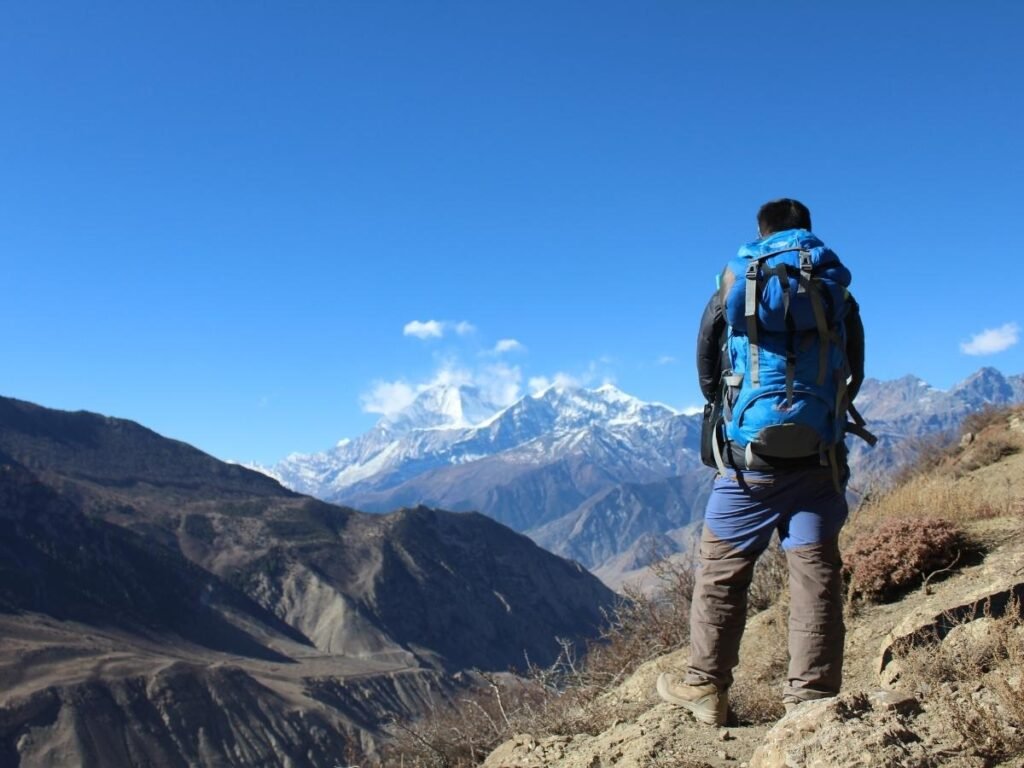
Then, there is High Altitude Pulmonary Edema (HAPE), which sounds technical because it is, and dangerous. This happens when fluid starts building up in your lungs, making oxygen exchange even harder than it already is. Imagine trying to breathe through a wet sponge while walking uphill.
Early signs include shortness of breath even at rest, a persistent cough (sometimes producing frothy sputum), and a noticeable drop in physical performance. Trekkers often brush it off as fatigue, but HAPE doesn’t negotiate; it worsens quickly and can become life-threatening if you don’t descend.
The third, and most severe, is High Altitude Cerebral Edema (HACE). This is when your brain starts swelling due to lack of oxygen, and things get serious fast. We are talking confusion, loss of coordination (that classic “walking like you’re drunk” gait), severe headaches, and, in advanced cases, hallucinations or unconsciousness. If AMS is a warning and HAPE is a crisis, HACE is an emergency alarm blaring at full volume.
Here’s the thing: altitude sickness doesn’t care how fit you are, how many marathons you have run, or how strong your Instagram trekking game is. It is not a test of strength, it’s a test of patience. The mountains reward those who listen, slow down, and respect the process of acclimatization. Push too hard, too fast, and the mountain will always win.
Early Warning Signs You Should Never Ignore
Altitude sickness rarely shows up like a dramatic villain; it is more of a slow, annoying whisper that gets louder if you ignore it. The tricky part? Most early symptoms are easy to dismiss. You will tell yourself, “It is just the cold,” or “I didn’t sleep well,” or the classic: “Probably just tired.” That is exactly how altitude sickness gets you.
The most common early sign is a persistent headache that does not quite go away, even after hydration or rest. It is not sharp or unbearable at first, just a dull, nagging pressure that sits behind your eyes like an uninvited guest. Pair that with loss of appetite, and suddenly your Dal Bhat does not look as exciting as it did at lower altitudes. That is your body quietly struggling.
Then comes nausea, sometimes mild, sometimes enough to make you question every step uphill. Add in dizziness or lightheadedness, especially when you stand up or start walking after a break, and you have got a pretty clear signal that your system is not fully coping. Sleep also becomes strangely restless. You lie down exhausted, but your body keeps waking up, as if it forgot how to properly rest at this altitude.
One of the more overlooked signs is fatigue that feels disproportionate. Yes, trekking is tiring, but this is different. It is the kind where even small efforts feel unusually heavy, like your energy tank is leaking faster than it should. You might also notice slightly faster breathing or heart rate, even when you are just sitting.
Here’s the key insight: these symptoms often show up together, not in isolation. A headache alone might just be dehydration, but a headache plus nausea plus poor sleep? That is your body connecting the dots for you.
The golden rule in the mountains is simple: don’t climb higher with symptoms. Pause, rest, hydrate, and give your body time to catch up. Because at altitude, brushing things off is not toughness, it’s risk.
Smart Trekking Habits That Will Keep You Safe
If altitude sickness is the mountain’s way of testing you, then smart habits are how you quietly pass without drama. No heroics, no shortcuts, just small, consistent decisions that stack the odds in your favor.
The first rule is beautifully simple and painfully ignored: go slow. Not “Instagram slow,” not “I will catch up later” slow, as in actually slow. A good rhythm is the kind where you can still hold a conversation without gasping mid-sentence. Once you cross 2,500 to 3,000 meters, your body needs more time than it needs motivation. Gain altitude gradually, and every few days, give yourself a proper acclimatization day. Think of it as an investment; one rest day here can save your entire trek later.
Hydration is your silent ally. At altitude, your body loses fluids faster through breathing and dry air, so you will need more water than you think. You don’t need to chug liters at once, but steady sipping throughout the day. Your urine color becomes your trail feedback system: clear or light yellow? You are doing it right. Dark? Time to drink up. And yes, minimizing alcohol and caffeine is not the most exciting advice, but your body will thank you for it.
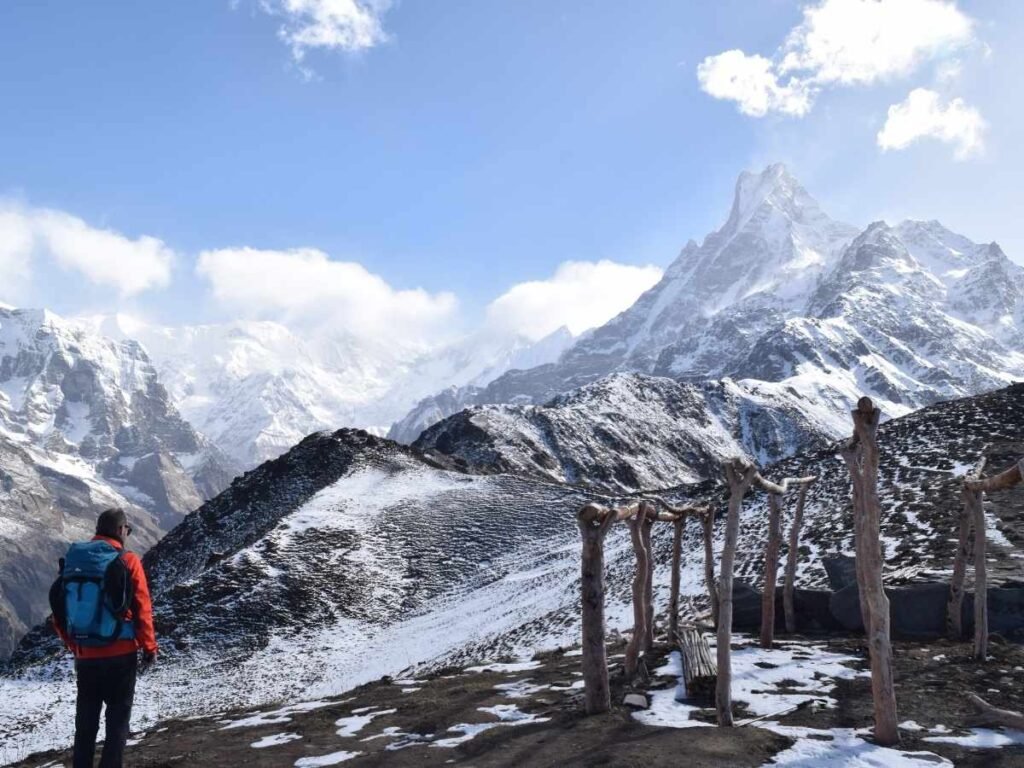
Food matters too, even when your appetite dips. Your body burns more energy at altitude just trying to function, so regular, carb-rich meals help keep the engine running. Skipping meals because you “don’t feel like it” is a fast track to feeling worse. Eat anyway, your future self at 4,000 meters will appreciate it.
Then there is the underrated art of listening to your body. Not your ego, not your itinerary, your body. If symptoms show up, don’t negotiate with them. Don’t mask them with painkillers and push higher. Rest, reassess, and if needed, descend. The mountain is not going anywhere, but your condition can change fast.
Sleep low, climb high is another classic for a reason. Even if you hike up to a higher altitude during the day, returning to sleep at a slightly lower elevation helps your body recover better. It is a small trick that makes a big physiological difference.
And finally, don’t underestimate the power of a good trekking pace and mindset. You are not racing anyone up here. The strongest trekkers are not the fastest; they are the ones who adapt best. Move steadily, breathe deeply, and let your body sync with the altitude instead of fighting it.
Medication and Remedies: Do They Really Help?
If altitude had a loophole, everyone would just pack a pill and sprint to the world-renowned destinations in the Himalayas. But the reality is a bit less convenient and a lot more interesting.
Let’s start with Acetazolamide (Diamox), the crowd favorite. It doesn’t magically “fix” altitude sickness; instead, it nudges your body to adapt faster. It makes you breathe a little deeper, a little quicker, helping your system deal with lower oxygen levels more efficiently. Used properly, usually before or during early ascent, it can genuinely reduce your chances of getting slammed by AMS. But timing matters. Take it too late, and it’s like showing up with an umbrella after you are already drenched.
Then come the everyday heroes: ibuprofen or paracetamol. They are great at easing headaches, which is often the first red flag at altitude. But here is where trekkers get it wrong: they treat relief as recovery. Just because the pain fades doesn’t mean your body has caught up. You have just silenced the messenger, not solved the problem.
For more serious conditions like HAPE or HACE, medications such as dexamethasone or nifedipine can step in, but this is no longer casual trekking territory. These are emergency responses, not preventive hacks. If you’re reaching for them, the real priority isn’t “what to take,” it’s “how fast can I descend?”
And then there’s the legendary trail folklore, garlic soup, ginger tea, and local brews. You will hear confident claims in every teahouse from Lukla to Manang. While these can help with warmth, hydration, and comfort (which absolutely matter), they are not scientifically proven to prevent altitude sickness. Still, don’t underestimate morale; sometimes, feeling better mentally helps you make smarter decisions physically.
So, do medications and remedies help? Absolutely, when used wisely, at the right time, and for the right reasons. But they are not a replacement for patience, pacing, and respect for altitude. Because up here, there is no shortcut to acclimatization. Just smarter ways to support it.
What to Do if You Start Showing Symptoms?
This is where the trek gets real. Not summit photos, not sunrise views, just you, your body, and a decision that actually matters.
The first move is simple, but often resisted: stop ascending. Not “just another 200 meters,” not “the next village is close”, just stop. Altitude sickness thrives on denial, and the faster you shut that down, the better your chances of keeping things under control. Your itinerary can wait. Your body can’t.
Once you pause, give yourself time to rest and reassess. Hydrate properly, eat something even if your appetite is low, and pay attention to how your symptoms behave over the next few hours. Mild symptoms like a headache or slight nausea can stabilize, or even improve, if your body is given space to catch up. This is your window to recover without escalating the situation.
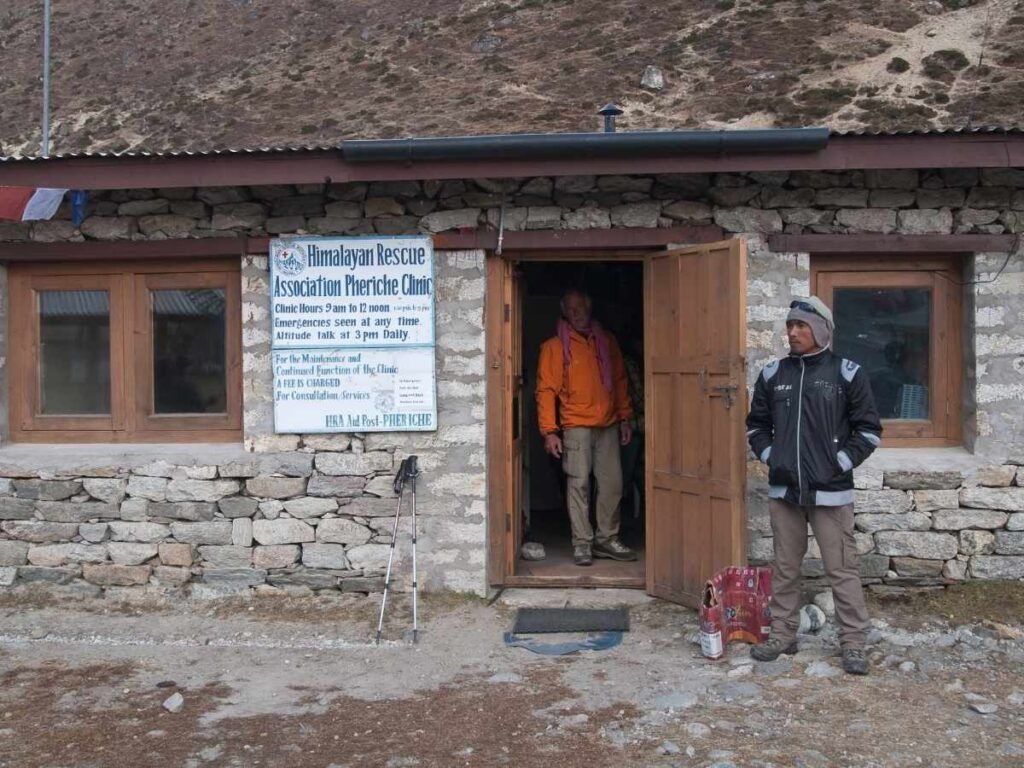
If symptoms persist or worsen, the next step isn’t complicated; it is just inconvenient: descend. Even dropping 300 to 500 meters can make a noticeable difference. And here’s the part people struggle with: descending is not failure. It is a strategy. The mountain does not care about your plan, but it will absolutely reward good decisions.
Now, if things start looking more serious, shortness of breath at rest, confusion, loss of coordination, a worsening cough, this is no longer a “wait and see” situation. This is immediate action territory. Descend as quickly and safely as possible, ideally with support, and use supplemental oxygen if available. At this stage, time matters more than toughness.
If you’re trekking with a guide or in a group, communicate early.
Absolutely do not downplay symptoms to avoid “slowing others down.” In reality, early communication keeps everyone safer and prevents bigger disruptions later. Solo trekkers, especially, need to be brutally honest with themselves; there is no one else to call it out for you.
Medication can support you here, Diamox to help acclimatization, painkillers for headache, but remember, they are part of the response, not the solution. The real fix, again and again, is giving your body what it is asking for: more oxygen, which usually means less altitude.
Here’s the mindset shift that experienced trekkers understand: the goal is not to reach the highest point, it is to come back safely. Sometimes that means holding your ground. Sometimes it means turning around. And sometimes, the smartest move you will make on the entire trek is going down.
Pro Trekker Tips
Here’s where experience quietly outshines enthusiasm. The difference between someone who struggles through altitude and someone who moves with it often comes down to a handful of small, almost unnoticeable habits.
First, master the art of the “rest step.” It looks unimpressive, almost lazy, but it is incredibly efficient. With every step uphill, you briefly lock your back leg and let your body weight rest on your skeleton instead of your muscles. Over hours, this tiny adjustment saves a surprising amount of energy and keeps your breathing steady. Pair that with a consistent rhythm, step, breathe, step, breathe, and suddenly steep climbs feel… manageable.
Then there is pressure breathing, something you will see seasoned trekkers doing without even thinking. It is a deliberate, slightly forceful exhale, like you are fogging up a mirror. This helps push more carbon dioxide out and allows your body to pull in oxygen more effectively. It sounds simple, but at higher altitudes, it can genuinely make each breath count a little more.
Pacing, though, that is the real superpower. Strong trekkers don’t surge ahead and crash; they move at a pace they can sustain all day. If you ever feel like you are “powering through,” you are probably going too fast. The goal is to stay just below your limit, where your body is working, but not struggling. It is less about speed and more about consistency over hours.
Another underrated trick? Layering before you feel cold. At altitude, your body burns energy just to stay warm. If you wait until you are already freezing, you are playing catch-up. Stay slightly ahead of the weather, and you will conserve energy without even realizing it.
Sleep is also part of the game, even when it feels broken. High altitude sleep is rarely perfect, but creating a routine, hydrating well, staying warm, and avoiding heavy exertion right before bed helps your body recover better. And if you wake up feeling slightly off, don’t ignore it. Mornings are when symptoms often show themselves most clearly.
One thing experienced trekkers swear by is “climb high, sleep low” whenever possible. Even a short hike to a higher point during the day helps your body adapt, as long as you return to a lower altitude to rest. It’s like giving your system a preview before the real move.
And finally, the mindset shift that changes everything: respect your own pace. There will always be someone faster on the trail. Let them go. The mountain is not a competition; it is a long conversation between you and your body. The better you listen, the smoother that conversation becomes.
Because in the end, pro trekkers don’t just reach high places, they do it while looking strangely… comfortable.