

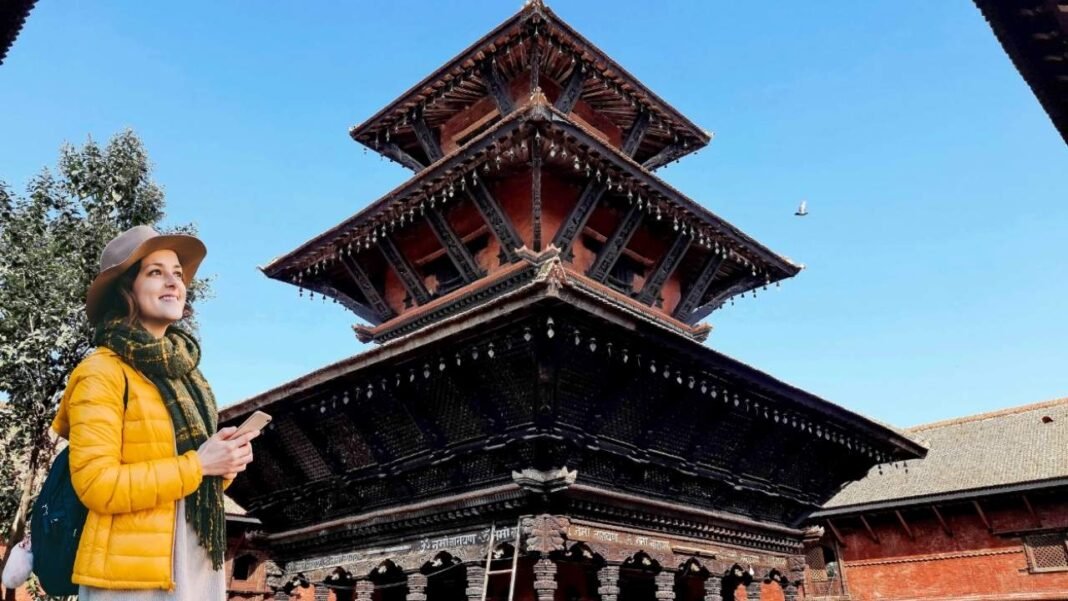

Type “solo female travel in Nepal” into any travel forum, Facebook group, or Reddit thread, and you’ll likely find the same question repeated over and over: Is Nepal actually safe for women traveling alone? It’s a fair concern. While Nepal is famous for Himalayan treks, ancient temples, and welcoming mountain communities, it remains a developing country with unfamiliar cultural norms, chaotic transportation systems, and regions that can feel intimidating to first-time visitors. For many women planning a trip, safety becomes the deciding factor between booking the flight and choosing another destination altogether.
The good news is that Nepal has built a strong reputation as one of the safer countries in South Asia for independent female travelers. Every year, thousands of women explore Kathmandu’s historic streets, trek through the Annapurna and Everest regions, stay in remote mountain teahouses, and travel across the country without major issues. Violent crime against tourists is relatively uncommon, locals are generally respectful and helpful, and the country’s long-standing tourism culture means solo travelers are far from unusual. That said, “safe” doesn’t mean risk-free. Petty theft, transportation challenges, tourist scams, unwanted attention, and the realities of trekking in remote environments still require awareness and preparation.
The truth lies somewhere between the glowing social media posts and the worst-case travel warnings. Nepal can be an incredibly rewarding destination for women traveling alone, but understanding the local culture, knowing where challenges exist, and making informed decisions can significantly improve both safety and confidence. This guide explores what solo female travelers can realistically expect in Nepal, covering cultural norms, city safety, trekking routes, transportation, accommodation, common scams, and practical tips that help transform uncertainty into a memorable and empowering travel experience.
Nepal at a Glance: Is It Safe for Women Traveling Alone?
From a regional perspective, Nepal is widely regarded as one of the safer destinations for solo female travelers in South Asia. While the country is not immune to crime, incidents involving violent crime against foreign tourists remain relatively uncommon, particularly in established tourism centers such as Kathmandu, Pokhara, Chitwan, and the major trekking regions. Nepal’s tourism industry has welcomed international visitors for decades, creating a culture where foreign travelers are a familiar part of everyday life rather than a rarity.
The country’s safety reputation is reinforced by a strong hospitality culture. In many communities, particularly along popular trekking routes, tourism is a major source of income, and visitors are often treated with warmth, curiosity, and respect. This contributes to a travel environment where many women report feeling comfortable exploring independently, using public spaces, and interacting with locals. The presence of a large backpacker and trekking community also means solo travelers rarely feel isolated in major destinations.
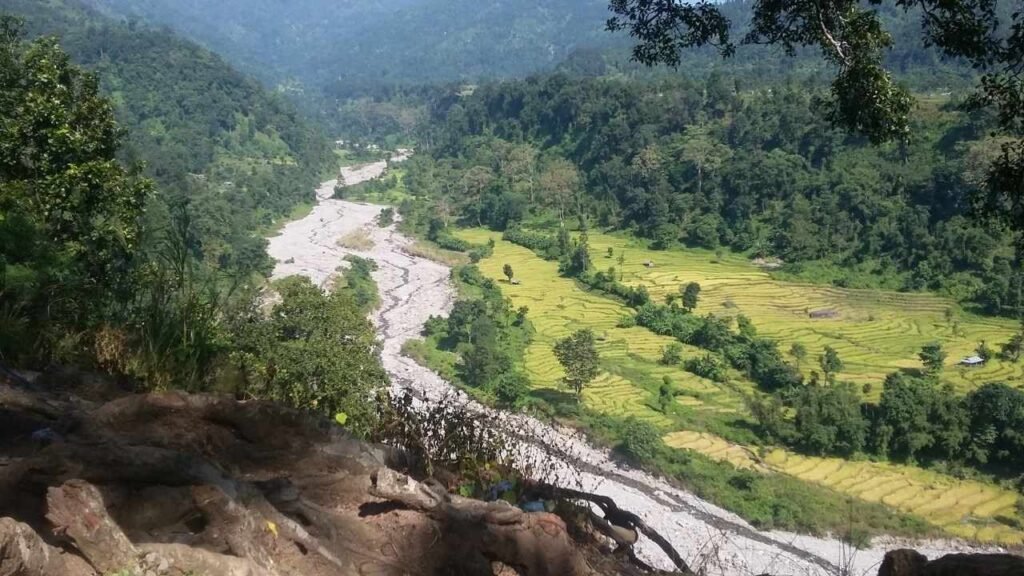
However, Nepal’s reputation for safety should be viewed realistically. Being safer than many regional alternatives does not mean being risk-free. The most common issues faced by solo female travelers tend to involve petty theft, tourist scams, transportation challenges, or occasional unwanted attention rather than serious criminal activity. Experiences can also differ between busy urban centers and smaller rural communities.
What consistently shapes positive traveler experiences is not the absence of risk but the combination of low levels of serious crime, established tourism infrastructure, supportive local communities, and a culture that generally welcomes visitors. With reasonable precautions and informed decision-making, most solo female travelers find Nepal both manageable and rewarding to explore independently.
Understanding Nepalese Culture as a Solo Female Traveler
Nepal’s cultural landscape is shaped by a mix of Hindu and Buddhist traditions, combined with strong community-based rural values that tend to be more conservative than what many Western or East Asian travelers may be used to. Gender roles, while evolving in urban centers like Kathmandu and Pokhara, still reflect traditional expectations in many parts of society, where women are often associated with family-centered roles and more restrained public behavior. This does not translate into hostility toward foreign women, but it does influence how behavior, dress, and interaction styles are interpreted locally. Respect for elders, modest conduct, and awareness of social hierarchy remain important cultural signals.
For solo female travelers, interactions with locals are generally positive, often marked by curiosity rather than hostility. In tourist-heavy areas, foreign women are a normal presence, and most encounters are friendly, service-oriented, or simply inquisitive. However, in less-touristed regions, attention can feel more direct, particularly from younger men or groups who may have limited exposure to independent female travelers. This attention is usually not aggressive in nature but can manifest as staring, repeated questions, or attempts at conversation. Families and older generations tend to be more reserved and welcoming, often showing genuine hospitality toward visitors.
Dress and behavior play a significant role in shaping these interactions. In urban areas, casual Western clothing is widely accepted, though modesty is still generally preferred, especially in non-tourist neighborhoods. In rural villages, more conservative dress, covering shoulders and avoiding very short clothing, tends to reduce unwanted attention and aligns better with local norms. When visiting temples, monasteries, or religious sites, covering shoulders and legs is expected, and removing shoes is standard practice. In essence, adapting clothing and behavior to context is less about restriction and more about blending into social expectations, which often leads to smoother and more comfortable travel experiences for solo women.
Transportation Safety in Nepal
Domestic Flights
Domestic air travel in Nepal is a key connector for routes such as Kathmandu–Pokhara, Kathmandu-Lukla, and other mountainous regions. Safety standards vary across carriers, but reputable airlines such as Buddha Air and Yeti Airlines are generally preferred due to stronger maintenance practices and more consistent operational oversight compared to smaller regional operators. The main risk factor is not in-flight safety but operational disruption, weather conditions, especially fog, wind, and monsoon patterns, frequently cause delays or cancellations because of Nepal’s high-altitude terrain and short runway airports.
Tourist Buses
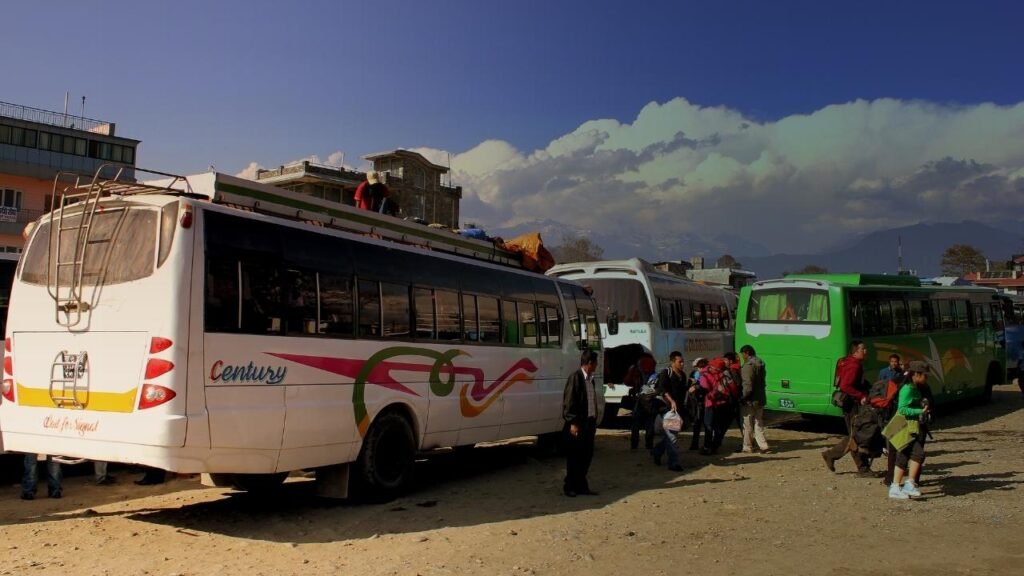
Intercity travel by road is significantly more common but varies widely in safety and comfort. Tourist buses operating major routes like Kathmandu–Pokhara or Kathmandu–Chitwan are typically safer than local buses due to regulated stops, assigned seating, and comparatively more cautious driving standards. Local buses are cheaper but often overcrowded, with less predictable driving behavior and limited enforcement of safety norms. For solo female travelers, daytime travel is strongly preferred as winding mountain highways become riskier after dark due to reduced visibility and higher accident rates.
Taxis and Ride-Sharing Apps
Within cities, taxis are widely available but usually require fare negotiation unless metered or pre-arranged. Ride-hailing platforms such as Pathao and inDrive are increasingly common in urban areas like Kathmandu and Pokhara, offering more transparent pricing, route tracking, and reduced risk of overcharging. For solo women, app-based rides also add a layer of accountability, although coverage may be inconsistent outside major urban zones.
Traveling Between Cities Alone
Long-distance solo travel in Nepal is generally safe from a personal security standpoint, but logistical risks are more relevant than crime. Road conditions, weather variability, and driver fatigue are the primary concerns. Solo female travelers benefit from booking transport in advance, choosing daytime departures, and keeping valuables secured and accessible. Buffer time between connections is also important, as delays are common and can otherwise force late-night arrivals in unfamiliar locations.
Common Risks and Scams Female Travelers Should Know About
Petty Theft
Petty theft in Nepal is not widespread compared to many major Asian tourist hubs, but it does occur in crowded environments such as Kathmandu’s Thamel district, bus stations, and busy marketplaces. Pickpocketing is more opportunistic than organized, often happening in dense foot traffic or during distractions like traffic jams and festivals. Solo female travelers typically reduce risk by using crossbody bags with secure zippers, avoiding phone use near street edges, and keeping cash divided rather than stored in one place. Most incidents are preventable through basic situational awareness rather than advanced security measures.
Tourist Scams
The most common scams involve overpricing and informal service offers rather than high-level fraud. Fake guides occasionally approach tourists in trekking hubs or cultural sites, offering “discounted” services without proper licensing, which can lead to inflated costs or unreliable arrangements. Inflated pricing is more common in transport and souvenir markets where bargaining is expected, especially for travelers unfamiliar with local price ranges. In trekking regions, unofficial permit assistance is another risk area, where intermediaries may charge fees for permits that can only be legally issued through government offices or registered agencies.
Unwanted Attention
Solo female travelers may experience occasional catcalling or repeated attempts at conversation, particularly in less-touristed urban areas or rural towns. This behavior is generally non-aggressive but can feel persistent. Clear, calm boundary-setting, such as short responses, avoiding engagement, or walking away, tends to be more effective than confrontation. In tourist-heavy areas like Pokhara or Thamel, such attention is significantly reduced due to higher traveler density and normalized foreign presence.
Online and Dating Risks
Meeting locals or travelers through apps is increasingly common, but safety varies widely depending on context. While many interactions are harmless, solo female travelers should avoid isolated meetups, especially in unfamiliar neighborhoods or late hours. Meeting in public spaces, informing someone of plans, and maintaining independent transport are standard precautions. As with most destinations, digital interactions require more caution than face-to-face encounters in established tourist environments.
Accommodation Safety for Solo Female Travelers
Hotels, Guesthouses, and Hostels
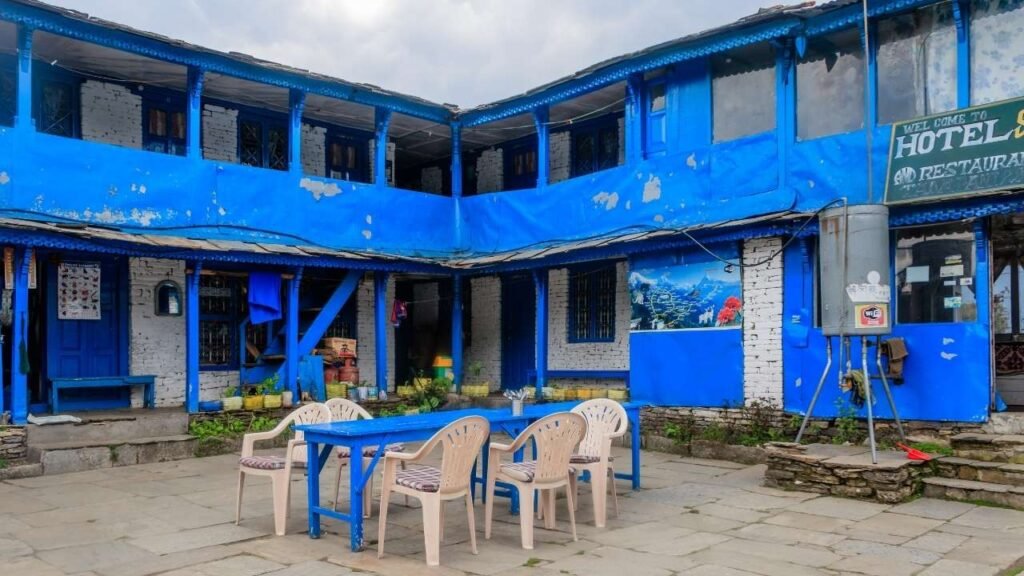
Accommodation safety in Nepal is generally strong in established tourist zones, where hotels, guesthouses, and hostels are built around steady international demand. For solo female travelers, the most reliable baseline is choosing properties with consistent reviews across multiple platforms rather than relying on star ratings alone, as standards vary widely between budget and mid-range stays. In areas like Kathmandu’s Thamel or Pokhara’s Lakeside, many accommodations are experienced in hosting solo travelers and offer basic security features such as 24-hour reception, CCTV in common areas, and lockable rooms. Female-friendly options are increasingly available, especially in hostels and boutique guesthouses that cater specifically to women or prioritize quieter, more secure environments.
Hostel Culture in Nepal
Hostels in Nepal tend to have a social, travel-focused atmosphere shaped by trekking and backpacking culture. Unlike party-heavy hostel environments in some countries, many Nepali hostels are oriented toward trekkers and cultural travelers, creating a more relaxed environment. Female dormitory options are common in larger cities and popular trekking hubs, offering added privacy and reduced discomfort for solo women. Security typically includes keycard access or staff-monitored entry, though standards vary, so checking recent guest feedback is important.
Safety Tips When Staying Alone
Basic room security practices make a meaningful difference. Solo travelers are advised to use lockers where available, keep valuables secured rather than openly stored, and confirm door locks function properly upon check-in. Sharing accommodation details and daily plans with a trusted contact adds an additional layer of safety, particularly when traveling between cities or into remote regions. Keeping emergency contacts accessible such as local emergency numbers, accommodation reception, and trekking agency contacts if applicable ensures faster response in case of disruptions. Overall, accommodation-related risks in Nepal are low when standard travel precautions are followed, with most issues arising from inconsistency in property quality rather than intentional security threats.
Practical Safety Tips for Women Traveling Alone in Nepal
Before You Arrive
Practical safety in Nepal starts before arrival, especially because many risks are logistical rather than criminal. Comprehensive travel insurance is essential, ideally covering high-altitude trekking, helicopter evacuation, and medical treatment, as healthcare access can be limited outside major cities. Important documents such as passport copies, visa details, insurance papers, and emergency contact lists should be stored both digitally and in printed form. Solo female travelers also benefit from preparing a clear emergency contact chain that includes family, accommodation details, and, if trekking, a registered guide or agency contact.
While Exploring Cities
In urban areas like Kathmandu and Pokhara, situational awareness is more important than strict restriction. Streets can be busy, chaotic, and visually overwhelming, but serious crime against tourists is uncommon in main districts. The main risks are opportunistic theft and occasional unwanted attention in crowded areas. Keeping bags in front, avoiding phone distractions near traffic, and using secure transport at night significantly reduces exposure to petty incidents. Nighttime safety is generally acceptable in tourist zones, but solo movement late at night in poorly lit or unfamiliar neighborhoods should be minimized.
During Treks
Trekking safety is primarily environmental rather than interpersonal. Route planning is critical, especially in regions like Annapurna or Everest where weather, altitude, and trail conditions change rapidly. Solo female trekkers benefit from using licensed guides or at least informing lodges of daily plans. Communication tools such as local SIM cards, offline maps, and portable chargers improve reliability in remote areas where connectivity is inconsistent. Health precautions, particularly altitude acclimatization, hydration, and gradual ascent are often more important than security concerns in mountain environments.
Building Confidence as a Solo Traveler
Confidence in Nepal develops quickly through exposure and routine interaction with fellow travelers and locals. Social spaces in hostels and teahouses make it easy to connect with other trekkers, reducing isolation without requiring organized tours. Trusting instincts remains a key safety mechanism, declining uncomfortable situations early is more effective than managing them later. When uncertainty arises, seeking help from hotel staff, guides, or established shops is common practice and generally met with willingness to assist. Most solo female travelers find that confidence grows not from avoiding challenges but from navigating them in manageable, predictable ways.
Final Verdict: Is Nepal Safe for Solo Female Travelers?
The direct answer is yes, Nepal is generally safe for solo female travelers, especially when compared to many other destinations in South Asia. It is not a risk-free country, but the types of risks most women encounter are typically manageable, predictable, and closely tied to logistics, infrastructure, and cultural differences rather than serious personal safety threats. For most travelers, the overall experience is shaped more by preparation and awareness than by danger.
Nepal’s strongest advantage is its long-established tourism ecosystem. Decades of trekking and cultural tourism have created a country that is highly accustomed to independent travelers, including women traveling alone. Major hubs like Kathmandu and Pokhara, along with trekking regions such as Annapurna and Everest, offer a consistent flow of backpackers, guesthouses, and local services built around tourism. Combined with generally low levels of violent crime against tourists and a hospitality-driven culture, this creates an environment where solo travel is both common and widely supported.
However, realistic challenges do exist. These include inconsistent transport infrastructure, occasional petty theft in crowded areas, unwanted attention in less-touristed regions, and the physical demands and environmental risks of high-altitude trekking. None of these issues are unique to Nepal, but they require awareness and basic preparation to navigate comfortably.
Nepal is especially well-suited for solo female travelers who are adaptable, culturally sensitive, and comfortable with a degree of unpredictability in exchange for rich travel experiences. It may be less ideal for those expecting highly standardized infrastructure or low-contact travel environments.
Overall, Nepal offers a rare balance: a destination where solo female travel is both accessible and rewarding, provided expectations are grounded in real-world conditions and not idealized assumptions.