

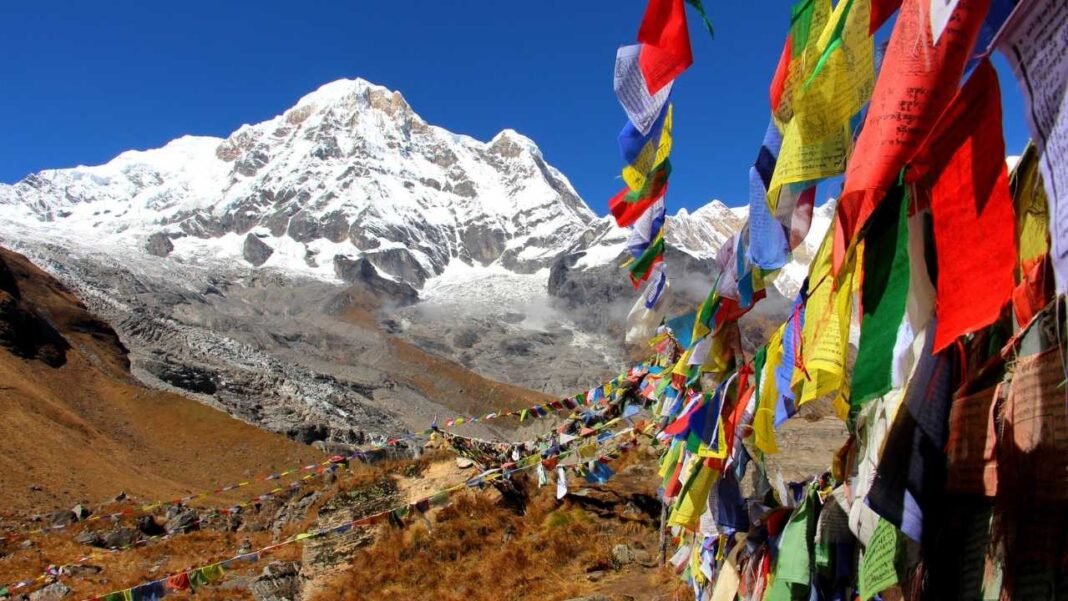

Mention trekking in Nepal, and many people immediately picture the towering slopes of Everest, high-altitude expeditions, and weeks of physically demanding hiking through some of the world’s most rugged mountain terrain. While Nepal is undoubtedly home to legendary adventures that test even experienced trekkers, that is only one side of the story.
What many first-time visitors don’t realize is that Nepal offers an extensive network of beginner-friendly trekking routes that require no technical climbing skills, no mountaineering experience, and often only a moderate level of fitness. Across the foothills of the Himalayas, well-established trails connect traditional mountain villages, forests, valleys, and panoramic viewpoints, allowing newcomers to experience the magic of trekking without committing to an extreme expedition.
The misconception that trekking in Nepal is reserved for elite athletes often discourages travelers from considering a Himalayan adventure. In reality, thousands of first-time trekkers complete routes such as Ghorepani Poon Hill, Mardi Himal, and Langtang Valley every year. Many of these trekkers are ordinary travelers with active lifestyles rather than seasoned hikers. Success on the trail is usually less about athletic ability and more about choosing a route that matches your fitness level, trekking at a comfortable pace, and understanding the challenges of altitude.
This guide explores the best treks in Nepal for beginners, comparing their difficulty, altitude, duration, and overall experience. Whether you are looking for a short introduction to Himalayan trekking, a culturally immersive village journey, or your first multi-day mountain adventure, you will find a route that matches your goals and helps you experience Nepal’s extraordinary landscapes with confidence.
Quick Comparison of the Best Beginner Treks in Nepal
Not every beginner trek offers the same experience. Some prioritize cultural immersion and comfortable walking days, while others introduce higher elevations and more demanding trails in exchange for bigger mountain views. Before diving into the detailed route descriptions, this comparison table provides a quick snapshot of what each trek offers and who it is best suited for.
| Trek | Duration | Maximum Altitude | Difficulty | Best For |
| Ghorepani Poon Hill Trek | 4 to 6 Days | 3,210 m (10,531 ft) | Easy to Moderate | First-time trekkers seeking classic Himalayan views |
| Mardi Himal Trek | 5 to 7 Days | 4,500 m (14,764 ft) | Moderate | Beginners looking for a more adventurous challenge |
| Langtang Valley Trek | 7 to 10 Days | 3,870 m (12,697 ft) | Moderate | Travelers wanting a balance of culture and scenery |
| Helambu Trek | 5 to 8 Days | 3,650 m (11,975 ft) | Easy to Moderate | Those seeking a quieter trek close to Kathmandu |
| Australian Camp Trek | 2 to 3 Days | 2,060 m (6,759 ft) | Easy | Families, older travelers, and complete beginners |
| Ghandruk Village Trek | 2 to 4 Days | 2,012 m (6,601 ft) | Easy | Travelers focused on culture and mountain views |
| Pikey Peak Trek | 5 to 7 Days | 4,065 m (13,336 ft) | Moderate | Beginners seeking fewer crowds and panoramic Himalayan vistas |
While altitude often attracts the most attention, it should not be the only factor influencing your decision. Daily walking hours, trail conditions, accessibility, and personal interests can have an equal impact on your overall experience. A trek such as Australian Camp may be physically easier, but routes like Poon Hill often provide a more rewarding introduction to Himalayan trekking without significantly increasing the challenge.
List of Best Treks in Nepal for Beginners
Trekking in Nepal isn’t limited to high-altitude expeditions and multi-week adventures. Several routes offer a manageable introduction to the Himalayas, combining accessible trails, comfortable tea houses, and rewarding mountain views. The treks below are among the best options for beginners seeking their first trekking experience in Nepal.
Ghorepani Poon Hill Trek: The Classic First Trek in Nepal
Few treks in Nepal are as beginner-friendly or as widely recommended as the Ghorepani Poon Hill Trek. Located in the Annapurna region, this 4 to 6 day trek reaches a maximum altitude of 3,210 meters (10,531 feet), making it one of the safest introductions to Himalayan trekking. It combines manageable daily walking distances with some of the most rewarding mountain views in Nepal.
What makes the trek particularly attractive for beginners is its well-developed infrastructure. The trail is easy to follow, tea houses are plentiful, and transportation from Pokhara is straightforward. Unlike higher-altitude routes, trekkers can enjoy a genuine Himalayan experience without spending weeks on the trail or dealing with significant acclimatization challenges.
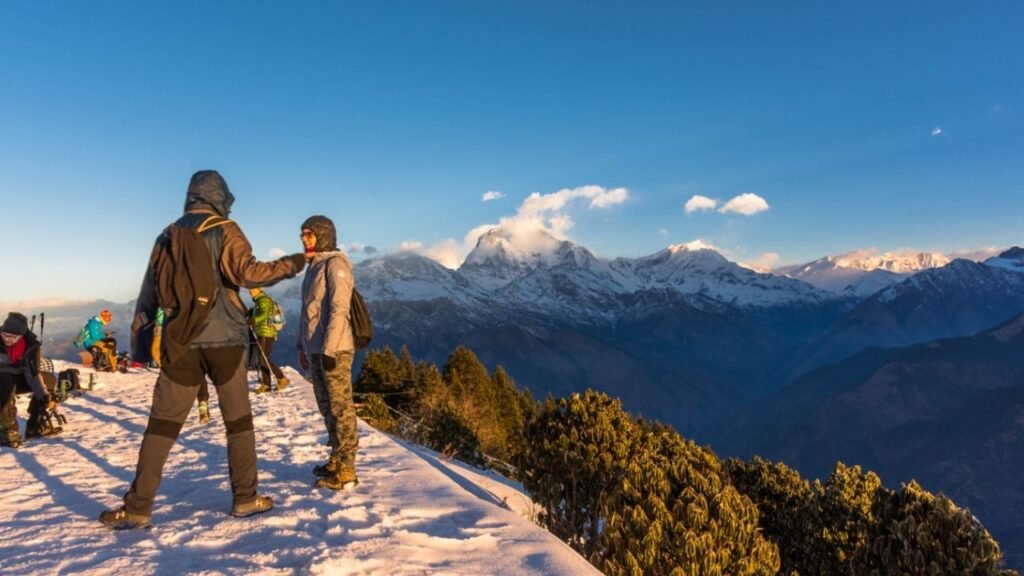
The journey passes through dense rhododendron forests, especially spectacular during spring when the hillsides bloom in vibrant shades of red and pink. Along the way, you will encounter traditional Gurung and Magar villages, offering insights into local mountain culture and daily life. The highlight, however, is the sunrise from Poon Hill, where panoramic views of the Annapurna and Dhaulagiri ranges create one of Nepal’s most iconic trekking moments.
While the trek is considered easy to moderate, beginners should be prepared for long stone staircases that can be surprisingly demanding on the legs. Overall, Poon Hill is ideal for first-time trekkers, families, and travelers seeking a short but authentic Himalayan adventure.
Mardi Himal Trek: The Perfect Step Beyond Easy Hiking
For many travelers, the Mardi Himal Trek sits in the sweet spot between a beginner trek and a true Himalayan adventure. While routes like Poon Hill are often chosen for their accessibility, Mardi Himal attracts those who want to push themselves a little further without committing to a demanding expedition such as Everest Base Camp or the Annapurna Circuit.
Located in the Annapurna region, the trek typically takes 5 to 7 days and reaches approximately 4,500 meters (14,764 feet) at Mardi Himal Base Camp. What makes the route particularly appealing is how quickly the scenery evolves. The lower sections pass through dense rhododendron forests and traditional settlements. But, within a few days, the trail emerges onto narrow ridgelines where the Himalayan landscape suddenly feels much bigger and more dramatic.
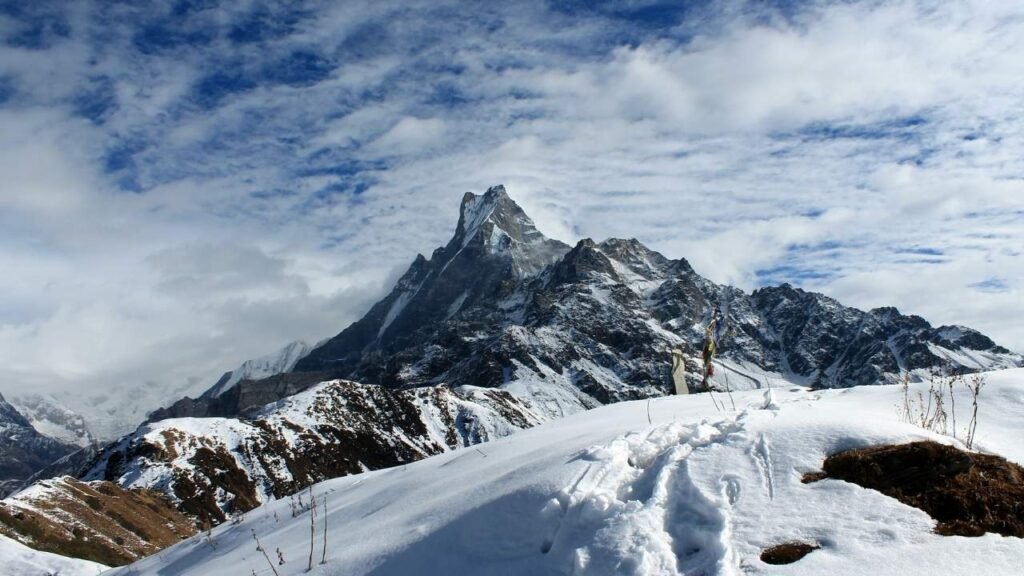
One of Mardi Himal’s greatest strengths is its proximity to Machhapuchhre (Fishtail Mountain). Unlike many trekking routes where the mountains remain distant on the horizon, Mardi Himal brings trekkers remarkably close to some of the Annapurna region’s most iconic peaks. The views of Machhapuchhre, Annapurna South, Hiunchuli, and the surrounding valleys often feel far more immersive than the trek’s relatively short duration would suggest.
For beginners, the route remains manageable because the trails are generally well-established and daily trekking distances are moderate. However, altitude should not be underestimated. Although the trek is not technically difficult, the rapid gain in elevation means proper acclimatization, hydration, and pacing become increasingly important during the final days.
Mardi Himal is best suited for active travelers who want more than a casual introduction to trekking. If Poon Hill is Nepal’s classic first trek, Mardi Himal is often the route that gives beginners their first real taste of high-altitude Himalayan adventure while remaining achievable for those with reasonable fitness and preparation.
Langtang Valley Trek: Nepal’s Most Underrated Beginner Adventure
Langtang rarely receives the same attention as Everest Base Camp or the Annapurna Circuit, but for first-time trekkers it offers one of Nepal’s most balanced mountain experiences. The trek usually takes 7 to 10 days and reaches about 3,870 meters (12,697 feet) at Kyanjin Gompa. This journey is high enough to feel Himalayan without pushing most beginners into extreme altitude territory.
What makes Langtang work so well for newcomers is the combination of accessibility and variety. After a relatively short drive from Kathmandu, the trail climbs gradually through forests, river valleys, Tamang villages, yak pastures, and glacier-shaped landscapes. The cultural influence of Tibetan Buddhism is visible throughout the region, giving the trek a distinctive character that feels different from the busier Annapurna routes.
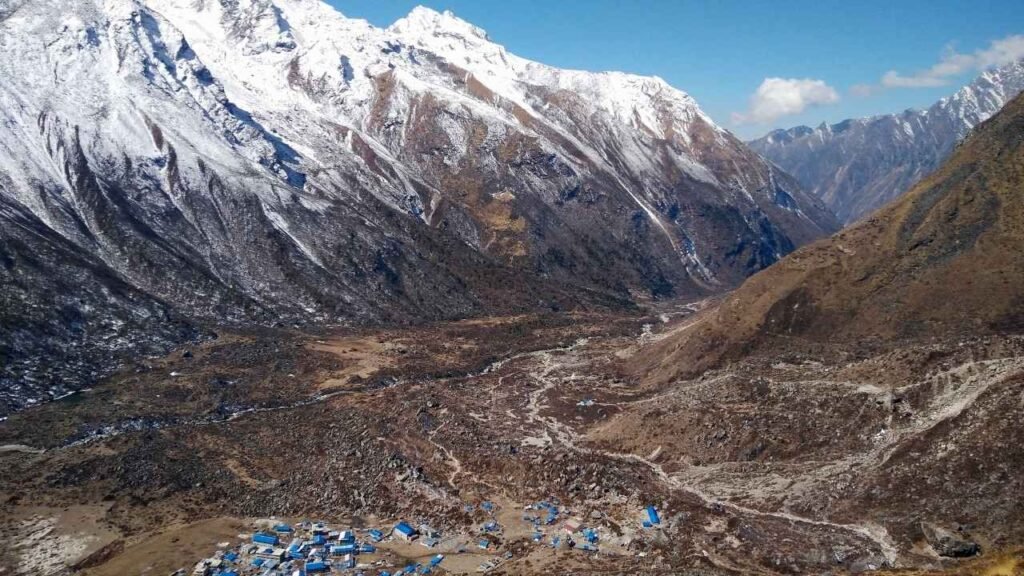
Compared with Poon Hill, Langtang asks for a slightly longer commitment and more consistent walking days, typically 5 to 7 hours on the trail. The challenge is less about steep staircases and more about endurance over a week of trekking. Beginners should still treat altitude seriously, especially above Langtang Village. But the ascent profile is generally kinder than many higher routes in Nepal.
Langtang is best for travelers who want a fuller trekking experience: meaningful village encounters, dramatic mountain scenery, and a sense of journey rather than a quick viewpoint hike. If you can spare a week and want fewer crowds than the classic Annapurna introductions, it is one of the strongest beginner choices in the country.
Helambu Trek: The Closest Multi-Day Trek to Kathmandu
Helambu is often overlooked because it lacks a single famous headline attraction such as Everest Base Camp or Poon Hill. That is exactly why many experienced trekkers recommend it to beginners. Located just north of Kathmandu, the trek typically takes 5 to 8 days and reaches around 3,650 meters (11,975 feet), offering a genuine multi-day trekking experience without long internal flights or complex logistics.
The trail moves through forests, terraced hillsides, Sherpa and Hyolmo settlements, monasteries, and scenic ridgelines with broad Himalayan views. Rather than building toward one dramatic summit viewpoint, Helambu delivers a steady rhythm of landscapes and village life that feels more intimate and less tourist-heavy than many headline routes.
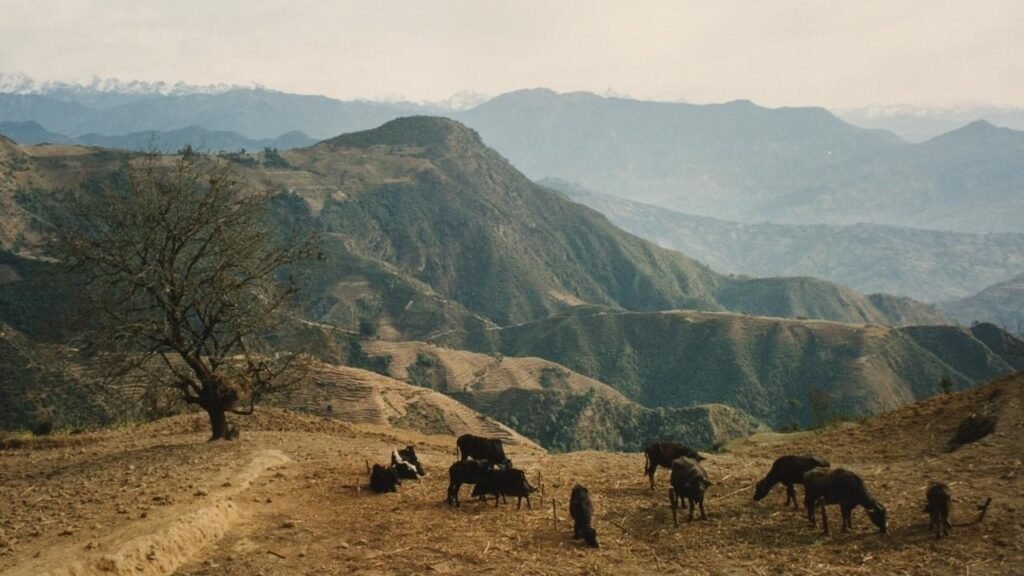
For first-time trekkers, the main advantage is the manageable terrain. Daily elevation gains are generally moderate, tea-house accommodation is available, and the route remains accessible enough that weather or itinerary changes are easier to handle than in more remote regions. The best seasons are spring and autumn, when clear skies, stable conditions, and comfortable temperatures make the trail especially pleasant.
Helambu is ideal for travelers who want culture, scenery, and a lower-stress introduction to trekking. If your priorities are ease of access, quieter trails, and a realistic taste of rural Himalayan life rather than reaching a famous bucket-list destination, Helambu deserves far more attention than it usually receives.
Australian Camp Trek: The Easiest Himalayan Trek Experience
Australian Camp is the trek people often underestimate until they realize how much mountain scenery it delivers for so little effort. Usually completed in 2 to 3 days and topping out around 2,060 meters (6,759 feet), it is one of Nepal’s most accessible introductions to Himalayan trekking.
The route begins near Pokhara and climbs gently through villages, forest, and terraced farmland to a viewpoint facing Annapurna South, Machhapuchhre (Fishtail), and the surrounding ranges. Because the altitude is modest, acclimatization concerns are minimal for most travelers, making it a comfortable option for families, older hikers, and complete beginners who have never done a multi-day trek.
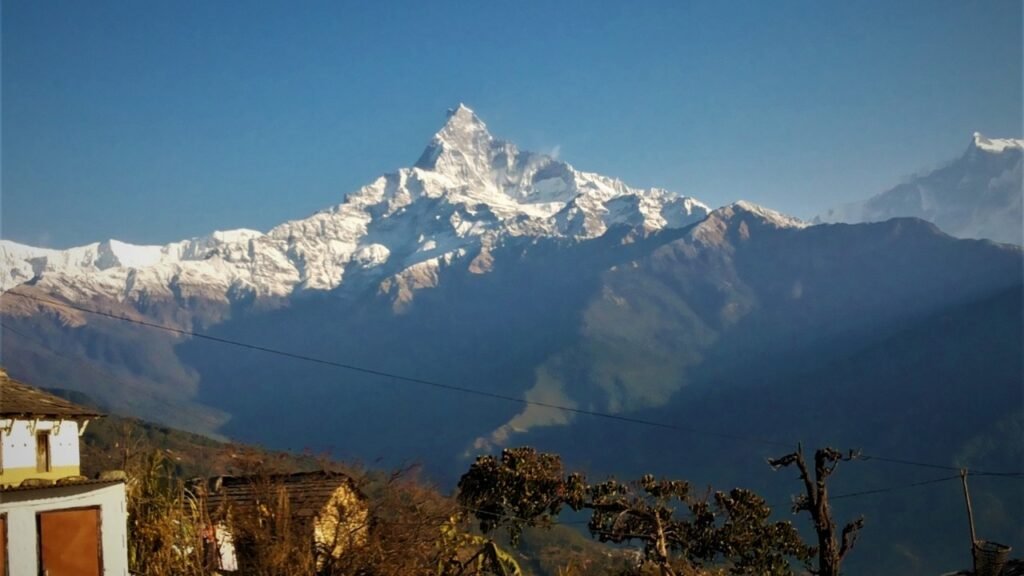
What makes the trek attractive is not challenge but efficiency. You get tea-house accommodation, mountain sunrises, village scenery, and the rhythm of trekking days without committing a week of travel. The trade-off is that it lacks the wilderness feel and sense of progression found on longer routes such as Mardi Himal or Langtang. Trails can feel closer to roads and settlements, and experienced hikers may find the route too easy.
For beginners, however, that simplicity is a feature, not a flaw. Australian Camp is best viewed as a low-risk introduction to trekking culture in Nepal: enough walking to understand what Himalayan trekking feels like, but not enough altitude or remoteness to overwhelm first-time visitors.
Ghandruk Village Trek: A Cultural Trek More Than a Mountain Trek
Ghandruk is one of the Annapurna region’s most famous villages, and the trek to reach it is arguably better understood as a cultural mountain walk than a traditional expedition-style trek. Usually completed in 2 to 4 days and reaching about 2,012 meters (6,601 feet), it is accessible to a wide range of travelers.
The route passes through terraced farmland, forested hillsides, and Gurung settlements before arriving in Ghandruk, a village known for its stone houses, local museums, and long-standing mountain traditions. For many first-time visitors, this is the easiest way to experience Himalayan village life without committing to a longer itinerary.
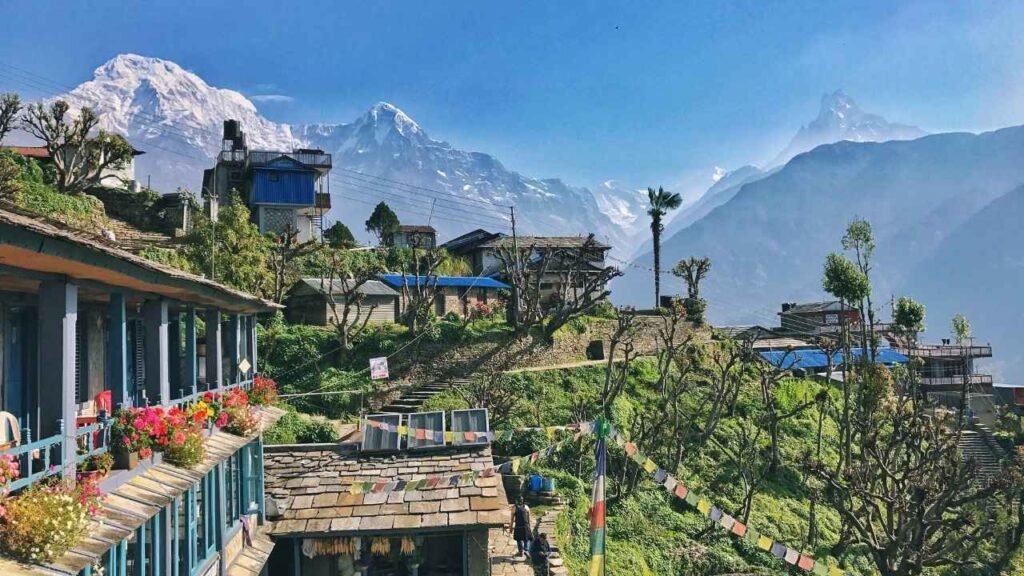
Despite the modest altitude, the scenery is impressive. Annapurna South, Hiunchuli, and Machhapuchhre dominate the skyline, especially during clear mornings and evenings. The sense of being in the mountains arrives quickly, even though the walking days are relatively short.
Difficulty is generally easy to moderate. The main physical challenge is the uphill approach and some stair sections, but most reasonably active travelers can complete the trek without specialized preparation. Ghandruk is ideal for people whose priorities are culture, photography, local interaction, and mountain views rather than pushing distance, altitude, or endurance. It is often the route that convinces non-hikers that trekking in Nepal can be approachable and rewarding.
Pikey Peak Trek: The Beginner Trek with One of Nepal’s Best Viewpoints
Pikey Peak has developed a strong reputation among trekkers who want Everest-region scenery without the crowds and time commitment of the Everest Base Camp route. The trek usually takes 5 to 7 days and reaches around 4,065 meters (13,336 feet), placing it at the upper end of what most guides would call beginner-friendly.
What makes the route special is the summit panorama. On clear mornings, Pikey Peak offers an unusually wide Himalayan sweep that can include Everest, Lhotse, Makalu, Kanchenjunga, and many other peaks stretching across eastern Nepal. The view feels expansive in a way that is difficult to capture in photographs and is often cited as one of the finest sunrise viewpoints in the country.
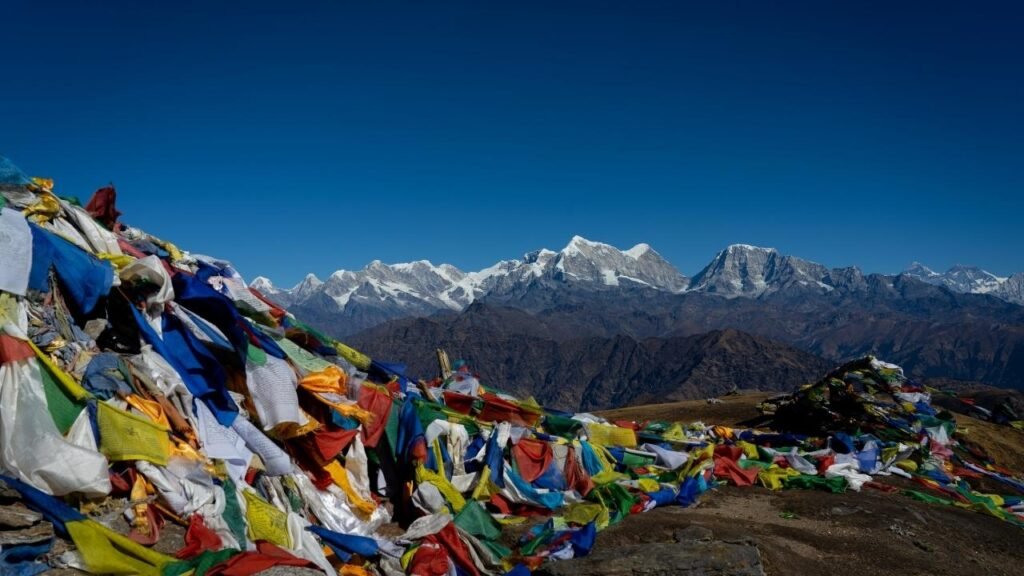
The trail itself is comparatively straightforward. Trekkers move through Sherpa villages, forests, grazing areas, and broad ridgelines rather than steep technical terrain. Daily walking hours are moderate, and the route remains much less crowded than the classic Everest trails.
The caveat is altitude. Although the summit is lower than Everest Base Camp, 4,000+ meters is still high enough that pacing, hydration, and acclimatization matter. Beginners who rush the ascent can feel the effects of altitude even on an otherwise easy trail. Pikey Peak is therefore best suited to active travelers who want big Himalayan views, quieter trails, and a manageable first experience in the Everest region while remaining realistic about the altitude challenge.
Which Beginner Trek Should You Choose?
The best beginner trek in Nepal isn’t necessarily the easiest one, it’s the one that matches your fitness level, interests, and available time. Here’s a quick way to narrow down your options:
- If You Want the Easiest Trek: Choose Australian Camp Trek. It requires minimal physical effort, stays at a low altitude, and still delivers impressive Annapurna views, making it ideal for complete beginners, families, and older travelers.
- If You Want the Best Sunrise View: Choose Pikey Peak Trek or Ghorepani Poon Hill Trek. Poon Hill offers Nepal’s most famous sunrise viewpoint, while Pikey Peak rewards trekkers with one of the widest Himalayan panoramas in the country, including views of Everest.
- If You Want Fewer Crowds: Choose Pikey Peak Trek or Helambu Trek. Both offer a quieter trekking experience compared to the busier Annapurna and Everest routes while still delivering excellent scenery.
- If You Want Rich Cultural Experiences: Choose Langtang Valley Trek or Ghandruk Village Trek. Langtang combines Tamang culture with stunning mountain landscapes, while Ghandruk provides one of the best introductions to traditional Gurung village life.
- If You Want a More Adventurous Challenge: Choose Mardi Himal Trek. It remains beginner-friendly but introduces higher elevations, more dramatic alpine scenery, and a stronger sense of adventure than shorter introductory treks.
- If You Have Limited Time: Choose Australian Camp Trek, Royal Trek, or Ghandruk Village Trek. These routes can be completed within a few days and are perfect for travelers who want a Himalayan trekking experience without a week-long commitment.
Ultimately, there is no single “best” beginner trek in Nepal. The right choice depends on whether you value mountain views, cultural immersion, solitude, challenge, or convenience. The good news is that whichever route you choose, you will still experience the landscapes and hospitality that make trekking in Nepal unforgettable.